Tesla’s Rocket Car: Elon Musk’s Vision of the Future of Driving
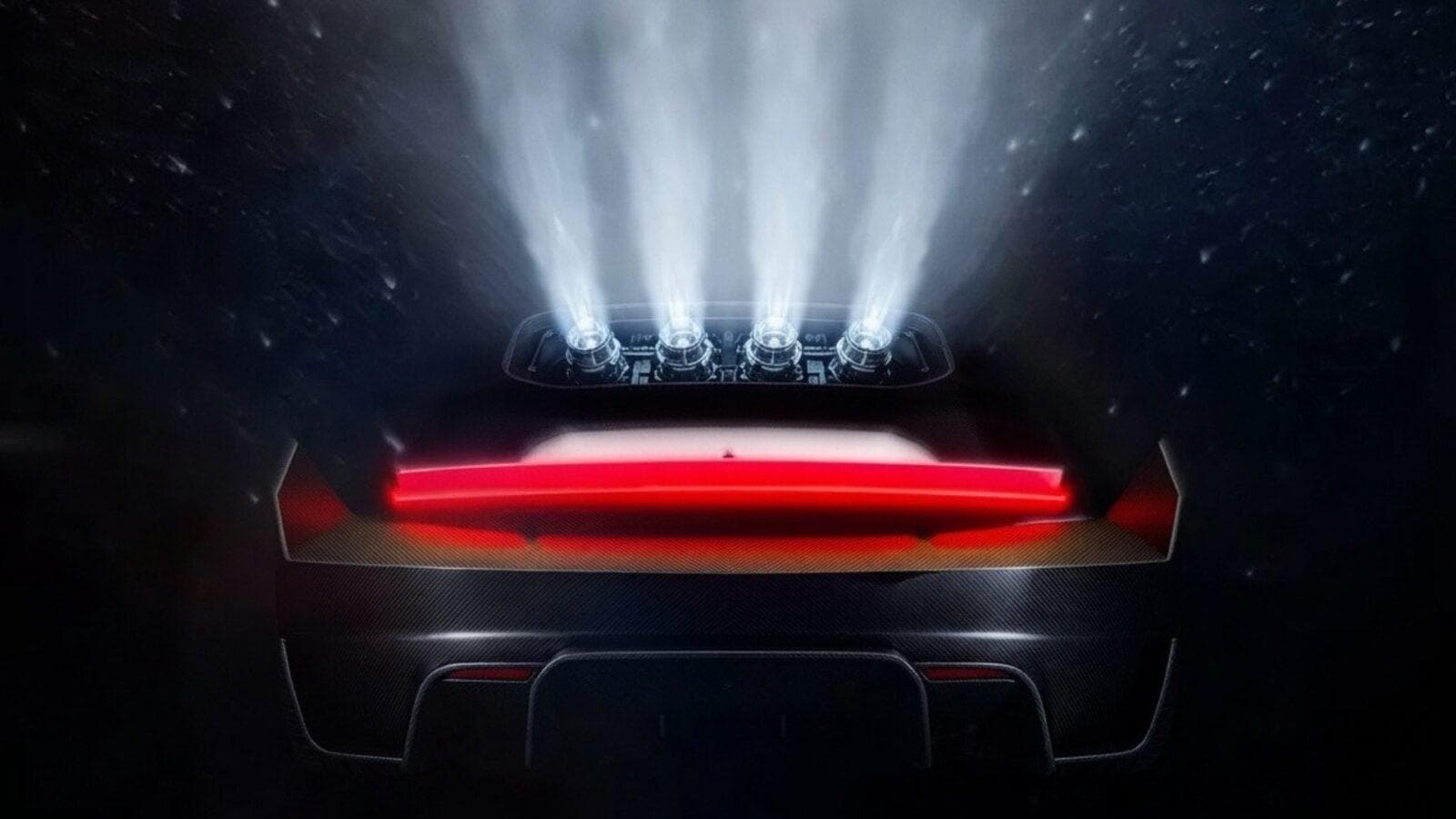
What if the next generation of sports cars could do more than accelerate at incredible speeds? What if a car could briefly leave the ground using technology inspired by rockets? That futuristic idea took a major step into the spotlight when Elon Musk and Tesla unveiled a rocket-assisted version of the next-generation Tesla Roadster in October 2026.
Developed with technology associated with SpaceX, the new Roadster combines electric vehicle engineering with cold-gas thrusters and an advanced suction system. The result is one of the most talked-about automotive demonstrations of the year.
What Is Tesla’s Rocket Car?
The Tesla Roadster is a high-performance electric sports car designed to push the limits of acceleration, handling, and automotive design. The newly demonstrated rocket-assisted version takes the concept further by incorporating aerospace-inspired technology developed in collaboration with SpaceX.
Unlike a conventional electric vehicle that relies entirely on its wheels for movement, the rocket-equipped version uses directional cold-gas thrusters to produce short bursts of thrust. These can help the vehicle perform brief airborne manoeuvres under controlled demonstration conditions.
Tesla describes its most advanced Rocket configuration as an air-capable version of the Roadster. However, this is not the same as a conventional road car that can freely fly over traffic or travel between destinations like an aircraft.
How Does the Rocket Technology Work?
The technology centres on two unusual systems: cold-gas thrusters and a multi-mode suction system.
1. Cold-Gas Thrusters
Cold-gas thrusters release pressurised gas through carefully positioned nozzles to generate directional force. Similar principles are used in aerospace applications for controlling orientation and movement. On the rocket-assisted Roadster, the system is intended to support brief thrust-powered manoeuvres and vehicle stabilisation.
2. The Suction System
The Roadster also features a specialised fan and ground-sealing system designed to create strong downward force. Tesla says this technology can generate enough suction to hold the vehicle upside down in a controlled setting. This is a separate function from the thrusters that enable airborne manoeuvres.
3. Electric Performance
Despite its aerospace-inspired features, the Roadster remains an electric vehicle. Its underlying design focuses on high performance, aerodynamic efficiency, advanced materials, and rapid acceleration.
How Fast Is the New Tesla Roadster?
At the October 2026 unveiling, Tesla representatives described acceleration from zero to 60 miles per hour in less than one second for the Thrust configuration. That is an extraordinary performance claim, although real-world performance, independent verification, and the final production specifications will matter when the vehicle becomes available.
The company has also presented the Roadster as a high-speed electric sports car with a design focused on maximising performance. Prospective buyers should consult Tesla’s official specifications for the configuration they are considering, because not every feature is available on every version.
When Will the Rocket Car Be Available?
The Roadster has been delayed for years, and the latest unveiling does not mean that customers can immediately drive the new vehicle. Tesla has indicated that production is planned for 2028.
The vehicle is presented in different configurations, including a conventional road-oriented version, a Thrust version with acceleration thrusters, and a more specialised Rocket version. Tesla describes the Rocket configuration as invite-only and explicitly states that it is not approved for public-road use.
Pricing, final specifications, delivery dates, and regulatory approval remain important considerations for anyone interested in reserving one. Demonstration capabilities should not be confused with a guarantee that every feature will appear in a commercially available production vehicle.
Is This Really a Flying Car?
The answer depends on what is meant by flying. The demonstration showed that a specially equipped Roadster could use thrusters to perform brief airborne manoeuvres. That is a significant engineering spectacle, but it does not make the vehicle equivalent to a conventional aircraft or a fully practical flying car.
Longer flights, routine passenger transport, safe operation in public spaces, and approval for use on public roads involve substantial technical and regulatory challenges. Tesla's own information says the Rocket version is not approved for public-road use.
Why the Innovation Matters
The Roadster is an example of how technologies from different industries can influence one another. Electric powertrains, aerospace control systems, lightweight materials, and advanced aerodynamics are being combined in a single experimental performance vehicle.
The project also demonstrates the close relationship between Tesla and SpaceX, two companies led by Elon Musk. Automotive technology may benefit from aerospace engineering, although the usefulness of any new feature ultimately depends on its cost, reliability, safety, and practicality.
For everyday drivers, improvements in battery efficiency, charging infrastructure, affordability, and driver safety are likely to remain more immediately important than rocket-powered stunts. For automotive enthusiasts, however, the Roadster offers a glimpse of how ambitious electric vehicle engineering might evolve.
Conclusion: A Glimpse Into the Future of Driving
Elon Musk's rocket-assisted Tesla Roadster is an ambitious blend of electric vehicle engineering and aerospace-inspired technology. Its cold-gas thrusters and specialised suction system make it stand out from traditional sports cars, while its extraordinary performance claims have attracted global attention.
Nevertheless, the distinction between a dramatic demonstration and a practical, production-ready vehicle is important. With production planned for 2028 and the Rocket version not approved for public-road use, many questions about accessibility, regulation, cost, and everyday practicality remain unanswered.
Whether this technology eventually changes how people travel or remains a specialised performance feature, the Roadster highlights a continuing ambition in automotive engineering: to challenge the limits of what a car can do.
